

Quick Answer
Descale a coffee maker monthly: fill the reservoir with 50/50 white vinegar + water OR a dedicated descaling solution. Run a full brew cycle (no coffee). The product we'd reach for: Keurig Brewer Cleanse Kit.
Descale a coffee maker monthly: fill the reservoir with 50/50 white vinegar + water OR a dedicated descaling solution. Run a full brew cycle (no coffee). Pause halfway, let sit 30 minutes. Complete the cycle. Run 2-3 plain water cycles to rinse. The mineral buildup dissolves and your coffee tastes right again.
How We Researched This
For this guide, we cross-referenced manufacturer documentation, expert cooking sources, and aggregated user experience reports to identify the underlying cause and the highest-success-rate fixes. Where we recommend products to help, they're tools we'd actually use ourselves and that earn consistent praise from owners six-plus months into ownership — not first-impression picks. See our Editorial Policy for the full framework.
1. Best Overall: Keurig Brewer Cleanse Kit

Keurig Brewer Cleanse Kit
Keurig
- Keurig branded
- Cleanse + rinse
- Multi-cup pods
- Easy to use
Why we picked it: Keurig's purpose-made descaler — guaranteed safe for Keurig brewers.
2. Best Value: Universal Descaler (2-pack)

Universal Descaler (2-pack)
Universal Descaler
- Multi-brand
- 2 uses per bottle
- Made in USA
- Universal fit
Why we picked it: Universal descaler works on any coffee maker, kettle, or espresso machine.
3. Best Premium: Heinz Distilled Vinegar (Gallon)
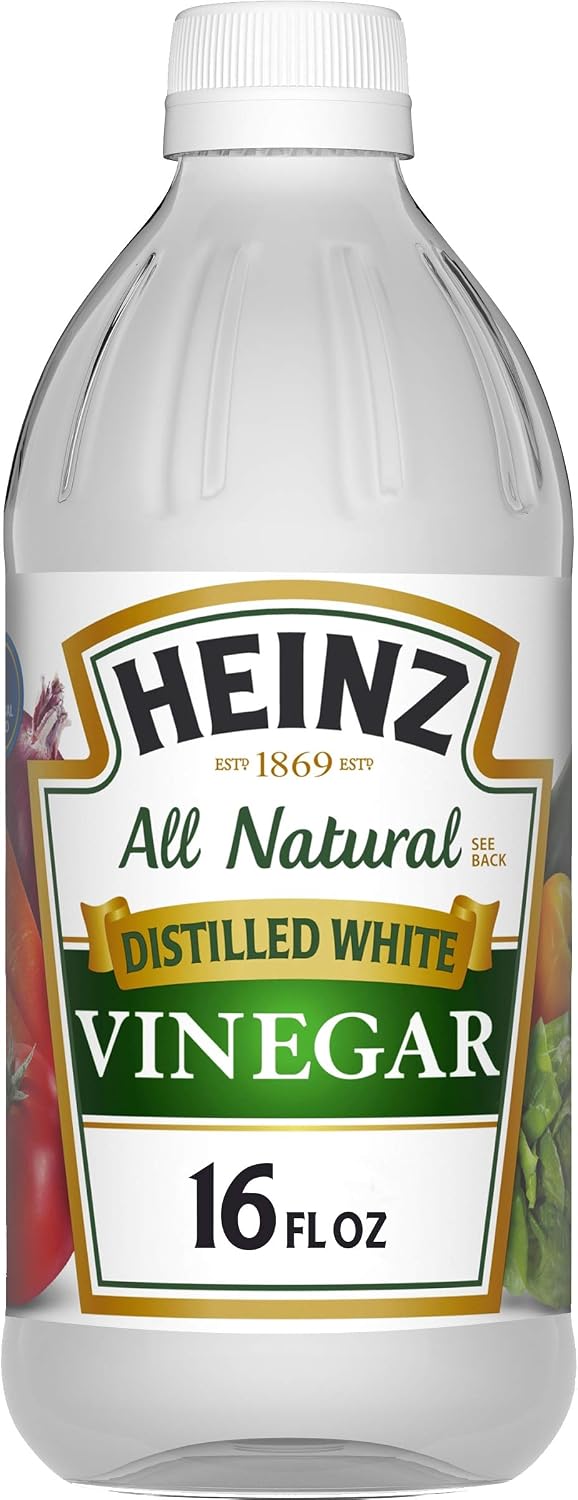
Heinz Distilled Vinegar (Gallon)
Heinz
- Gallon size
- 5% acidity
- Multi-machine
- Pantry staple
Why we picked it: Bulk vinegar for monthly descaling — works on any coffee maker brand.
The Comparison Table
| Pick | Brand | Product | Key spec |
|---|---|---|---|
| Best Overall | Keurig | Keurig Brewer Cleanse Kit | Keurig branded |
| Best Value | Universal Descaler | Universal Descaler (2-pack) | Multi-brand |
| Best Premium | Heinz | Heinz Distilled Vinegar (Gallon) | Gallon size |
What to Look For
Vinegar vs dedicated descaler. Vinegar (5% acetic acid) works on light-to-moderate scale. Dedicated descalers (Urnex, Keurig Brewer Cleanse) are stronger and rinse cleaner. Use vinegar for most home machines; dedicated for high-mineral water areas.
Frequency depends on water hardness. Soft water: descale every 3 months. Medium hardness: monthly. Hard water: every 2 weeks. Signs you've waited too long: bitter coffee, slower brewing, water level indicators not lighting.
Vinegar isn't safe for every machine: the acid question by material
The 50/50 vinegar method works well for a basic drip machine with a stainless or plastic water path, but it's the wrong choice for a surprising number of coffee makers, and the reason is what's inside. Many espresso machines and single-serve brewers heat water in an aluminum boiler or thermoblock, and acetic acid attacks aluminum, pitting the metal and leaving gray residue in the water. Vinegar is also hard on the rubber and silicone gaskets that seal pumps and boilers, which is why several major espresso brands state in their manuals that using vinegar voids the warranty on the boiler. Even where it's permitted, vinegar's smell lingers in the machine's plastic and rubber for several rinse cycles, and the first pot afterward often tastes faintly of pickles.
Dedicated descalers sidestep both problems. Most are citric, lactic, or sulfamic acid formulations that dissolve calcium carbonate at least as fast as vinegar, are gentler on aluminum and elastomers, and rinse clean in one or two cycles. The manufacturer's own product is rarely magic, but it is formulated for the materials in that machine, and buying it keeps the warranty conversation simple. Food-grade citric acid powder, dissolved at about one to two tablespoons per quart of water, is the inexpensive universal alternative that works safely in nearly every machine, and it's the same chemistry we recommend for descaling a kettle. The honest rule: check the manual before the first descale, use vinegar only where the manufacturer allows it, and reach for citric acid or a branded descaler for anything with an espresso pump, a thermoblock, or a warranty you care about. Our espresso machine roundup flags which picks have aluminum boilers.
Machine by machine: drip, pod, espresso, and super-automatic
The two-cycles-then-rinse routine on this page is written for a drip machine, and the other categories need different handling. Single-serve pod brewers like Keurig and Nespresso have a dedicated descale mode — usually a button combination held for a few seconds — that runs the solution through slowly and at the right temperature; running descaler as a normal brew doesn't give it enough contact time. Those machines also have a second, separate maintenance job that descaling does not address: the entry and exit needles that pierce the pod clog with grounds, which causes weak, short cups people misdiagnose as scale. Clear them with a paper clip or the maker's cleaning tool. Nespresso-style machines want a rinse with the lever open and closed to flush both paths.
Espresso machines split descaling from backflushing, and confusing the two is common. Descaling addresses mineral scale in the boiler and lines and is done with the acid solution through the water reservoir. Backflushing addresses coffee oil residue in the group head and three-way valve and is done with a blind basket and a detergent like Cafiza — it does nothing for scale, and descaler does nothing for oils. Machines with a heat-exchanger or dual boiler often shouldn't be descaled at home at all, because dislodged scale can lodge in valves; the manual will say so, and a service descale is the answer. Super-automatic machines combine everything into guided programs: a descale cycle, a separate cleaning-tablet cycle for the brew group, and a removable brew unit that should be rinsed weekly. Follow the machine's own prompts rather than the generic method, since the flow rates and pauses are built in. The De'Longhi guide and single-serve roundup note which picks have automated descale programs.
Descaling versus cleaning, the water to use, and when descaling doesn't fix slow brewing
Scale is only half of what builds up in a coffee maker. The other half is coffee oil, which polymerizes into a brown, rancid film on the carafe, brew basket, shower head, and reservoir, and which acid does not remove. A machine that's been descaled but never cleaned will still make bitter, stale-tasting coffee. Wash the carafe and basket with hot soapy water after every few pots, soak a stained carafe with a dishwasher tablet or a spoonful of baking soda in hot water, and wipe the shower head with a damp cloth. Then there's the reservoir, which stays wet and dark between brews and is the site of the mold and biofilm problem covered in our coffee maker mold guide; empty it, let it dry, and wash it weekly. The grinder holds the last reservoir of stale oil, and a rancid grinder undoes everything.
Water choice is where a well-meaning habit backfires. Filtered water slows scale dramatically and is the right default; distilled or reverse-osmosis water seems like the logical next step but is a mistake in many machines. Some brewers detect water level with sensors that rely on the water's mineral content and misread pure water as an empty tank, and coffee brewed with mineral-free water tastes flat, since a small amount of dissolved mineral is part of extraction. Softened water from a salt-based home softener scales less but carries sodium that dulls flavor. A carbon filter pitcher or the machine's own cartridge filter is the sensible middle. Finally, when a machine still brews slowly after descaling, scale usually wasn't the problem: check for a clogged needle or filter basket, or an air lock in the pump (run a few cycles of plain water with the reservoir full). If neither helps on a machine more than a few years old, the pump itself may be tired, and the replacement question is answered in our drip coffee maker roundup.
Buyer Scenario Decision Matrix
Stop comparing specs. Start with what you're actually doing, then the right product is obvious:
| Your Situation | Buy This | Skip This | Why |
|---|---|---|---|
| Most people — daily use, no compromises | Keurig Brewer Cleanse Kit | Premium-only sets you won't grow into | Keurig branded |
| Budget-conscious or first-time buyer | Universal Descaler (2-pack) | Premium upgrade you may not need yet | Multi-brand |
| Heavy daily use, splurge, or buy-once-keep-forever | Heinz Distilled Vinegar (Gallon) | Cheaper sets — you'll outgrow them | Gallon size |
Recommended Products
What we'd reach for: the Keurig Brewer Cleanse Kit. Keurig's purpose-made descaler — guaranteed safe for Keurig brewers.
Budget alternative: the Universal Descaler (2-pack). Universal descaler works on any coffee maker, kettle, or espresso machine.
If you want the upgrade: the Heinz Distilled Vinegar (Gallon). Bulk vinegar for monthly descaling — works on any coffee maker brand.
Ready to buy?
Jump straight to our top picks on Amazon — prices shown at click-through.
Frequently Asked Questions
How often should you descale a Keurig?
Every 3-6 months for soft water, monthly for hard water. Keurig recommends every 3 months as a baseline. Your taste and brewing speed are better signals than calendar.
What happens if you don't descale your coffee maker?
Mineral scale clogs internal water lines and the heating element, leading to: bitter/sour coffee, slower brewing, increased noise, and eventually a machine that won't brew at all. Descaling is the easiest preventive maintenance you can do.
What's the best product to fix this?
We'd reach for the Keurig Brewer Cleanse Kit. Keurig's purpose-made descaler — guaranteed safe for Keurig brewers.
How long does this take to fix?
Most solutions are 10-30 minutes of active work. Prevention takes 30 seconds per use.
Can vinegar damage a coffee maker?
It can in machines with aluminum boilers or thermoblocks — common in espresso machines and some pod brewers — where acetic acid pits the metal, and it's hard on rubber seals; several espresso brands void the boiler warranty over it. It's fine for a basic drip machine if the manual allows it. Citric acid or a branded descaler is the safe choice when in doubt.
Is descaling the same as cleaning a coffee maker?
No. Descaling uses acid to dissolve mineral scale inside the water path. Cleaning removes coffee oil residue from the carafe, basket, shower head, and — on espresso machines — the group head, using soap or a coffee detergent. Acid doesn't touch oils and detergent doesn't touch scale, so a machine needs both, plus a reservoir that's emptied and dried to prevent mold.
Want to dig deeper? See our guides to Best Espresso Machine (2026), and How to Clean Mold from a Coffee Maker.